 Skip to content
When Systems Start Protecting the Wrong Things
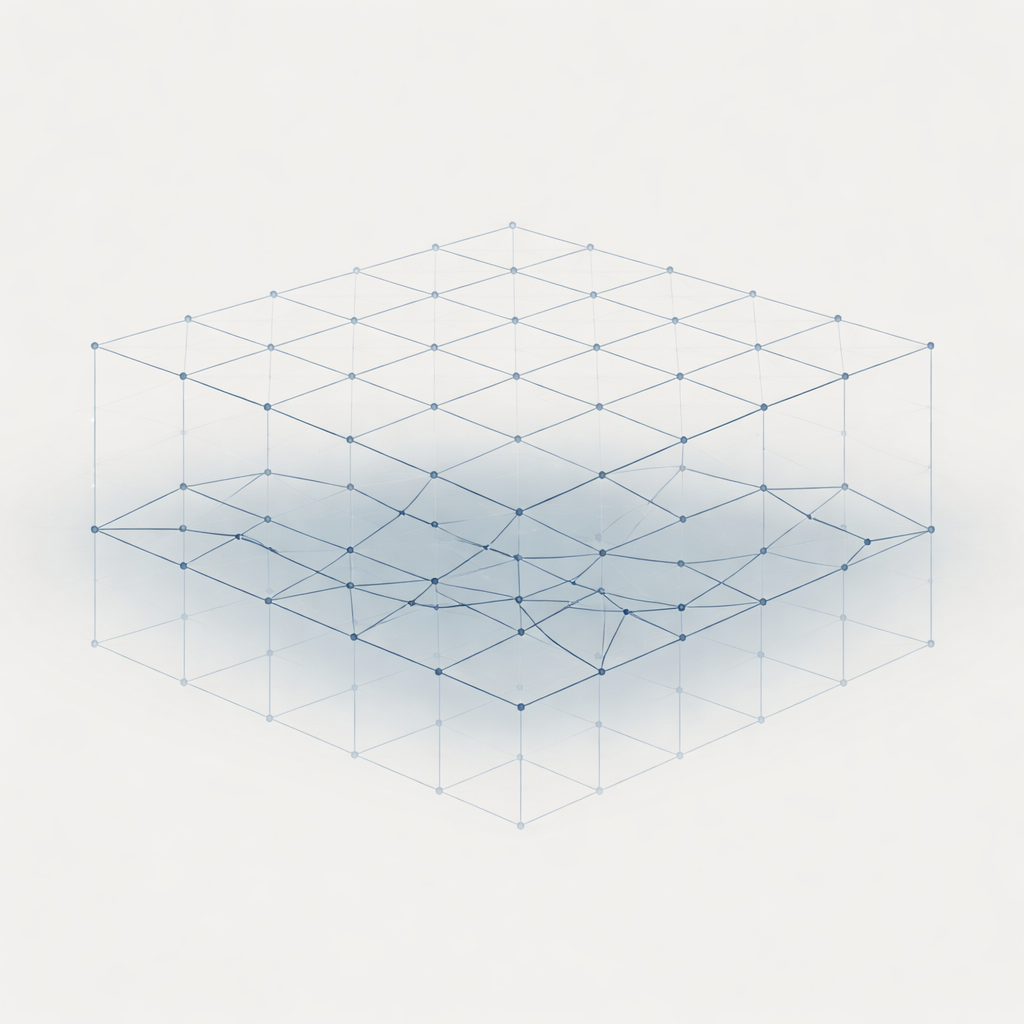
When Systems Start Protecting the Wrong Things How complex systems drift from their original purpose and begin defending metrics, processes, and internal stability instead. Introduction Most systems do not fail because they stop functioning. They fail because they continue functioning while gradually serving the wrong purpose. What begins as a system designed to achieve […]
Why Stable Systems Fail So Suddenly

Why Stable Systems Fail So Suddenly How long periods of apparent stability can conceal structural weakness — and why failure often appears abrupt only at the end. This is why stable systems fail suddenly — not because of a single shock, but because underlying conditions shift quietly. Introduction Systems rarely appear fragile just before they […]
Why Stability Can Be a Hidden Risk

Prolonged stability can harden assumptions and suppress corrective signals — making systems more fragile, not less.
Why Systems Collapse Suddenly
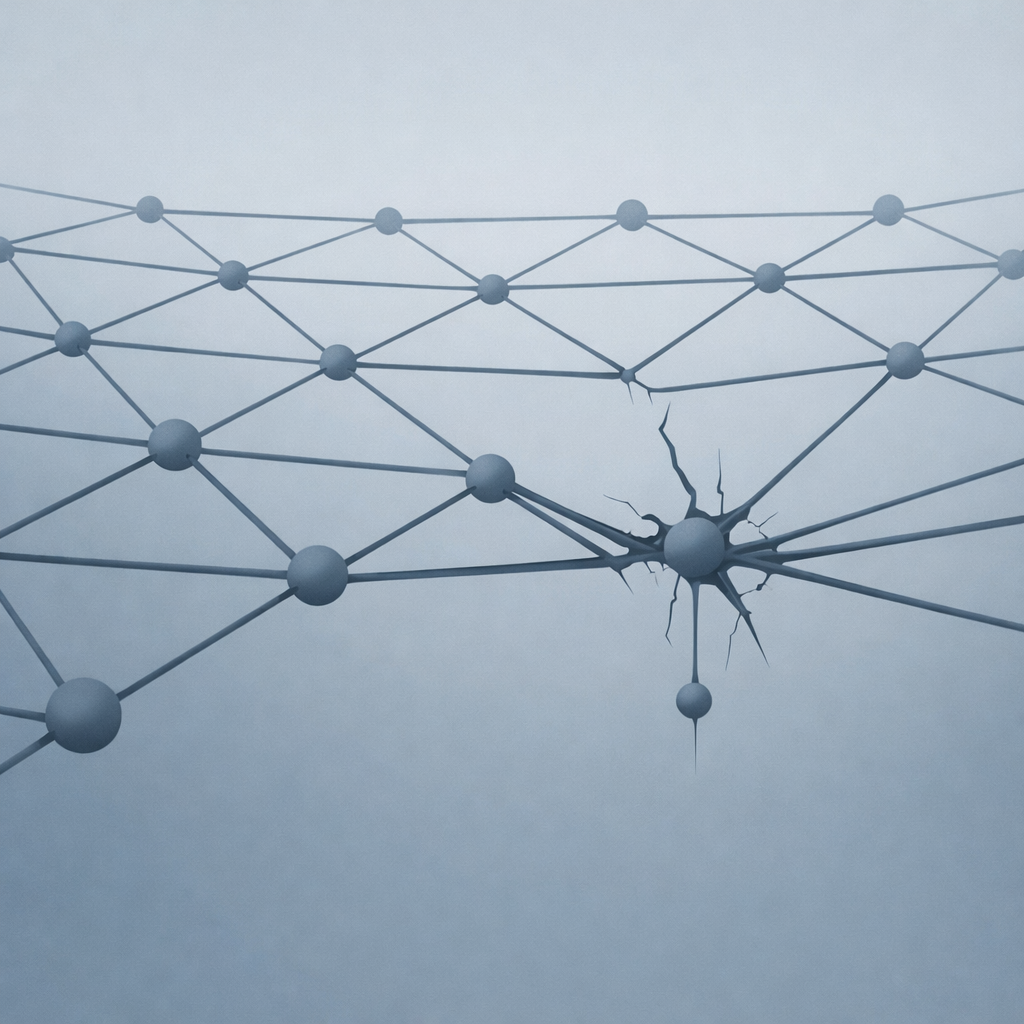
Systems rarely collapse without warning. This analysis explains why failure appears sudden, even when underlying change has been building over time.
When Metrics Stop Measuring What Matters
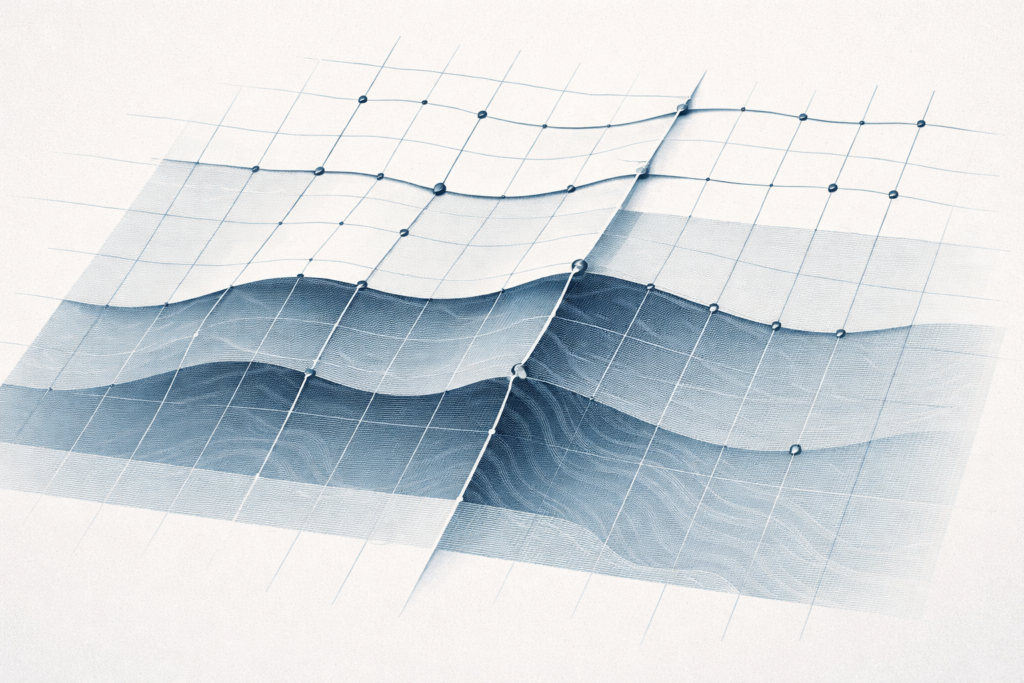
Metrics are meant to reflect reality. But in complex systems, they can drift, mislead, and delay action—allowing risk to build beneath stable performance.
Why Systems Become Harder to Reform Over Time

Why Systems Become Harder to Reform Over Time Reforming complex systems often appears straightforward in theory. When institutions stop working well, the solution seems simple: adjust the rules, update the structures, and correct the incentives. In practice, reform rarely works that way. The longer a system operates, the harder it becomes to change. Structures accumulate. […]
Common Failure Patterns of Large Systems

Common Failure Patterns of Large Systems Large systems rarely fail in dramatic fashion at the outset. They weaken in recognisable ways long before they collapse. The signals are subtle, the mechanisms familiar, and the process gradual. These large systems failure patterns emerge gradually, often long before visible breakdown. Across infrastructure, governance, finance, and technology, recurring […]