

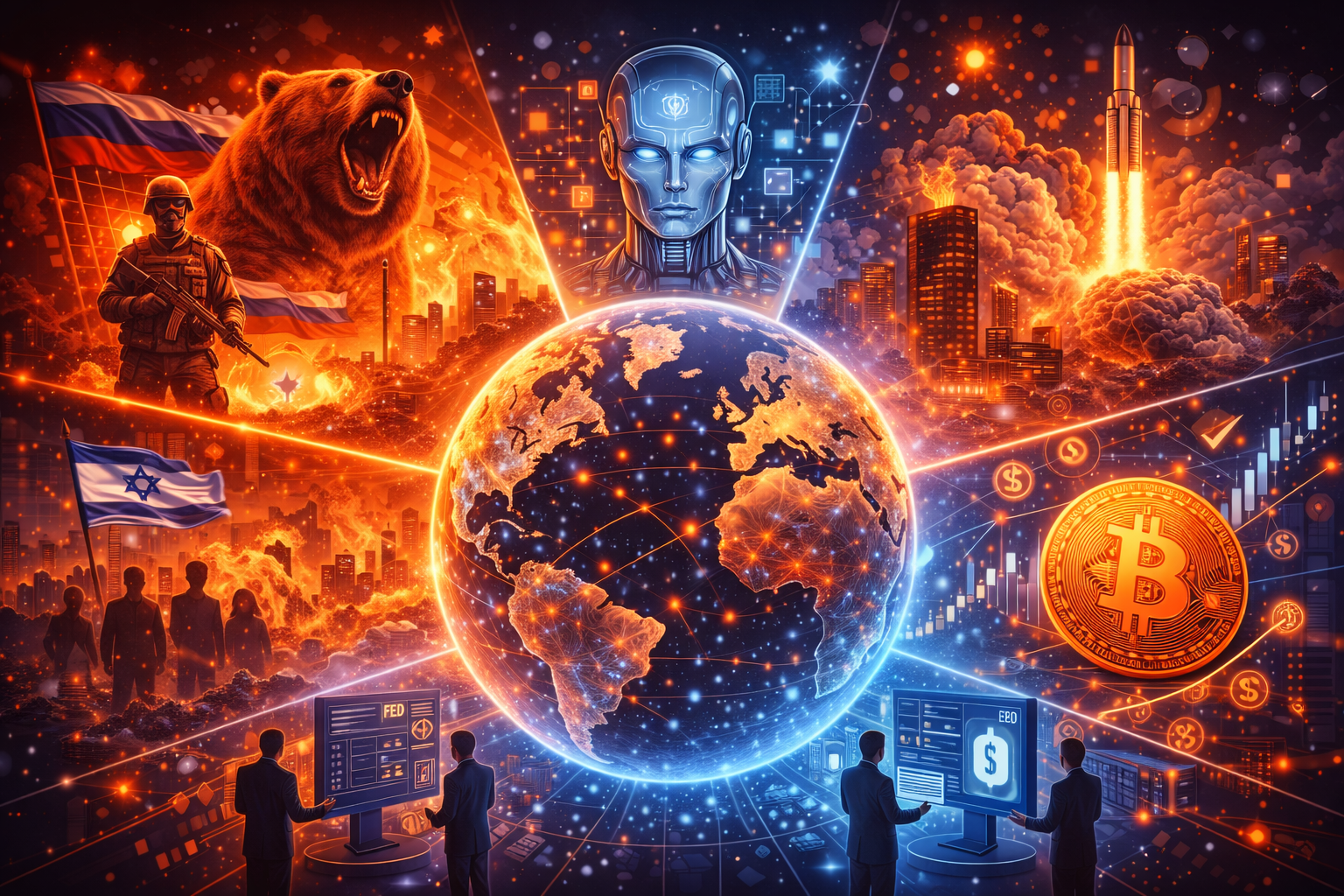

What happened overnight: five global developments shaping politics, markets, and technology
Global markets and policymakers are navigating a mix of geopolitical tension, economic uncertainty, and accelerating technological change. While no single event dominates the agenda, several developments from the past 24 hours are likely to shape decisions in the days ahead.
1. Diplomatic talks continue amid fragile geopolitical conditions
Senior officials from multiple governments held consultations overnight following renewed developments in an ongoing geopolitical dispute. Public statements suggested a desire to stabilise the situation, though diplomatic sources described negotiations as cautious and unresolved.
Why it matters: Even limited diplomatic breakdowns can affect energy markets, supply chains, and regional security calculations.
What to watch: Changes in official language around sanctions, security guarantees, or mediation efforts.
2. Markets reassess the path of interest rates
Global equity markets were broadly steady as investors weighed fresh economic data against recent central bank commentary. Bond yields moved modestly, reflecting uncertainty over when — and how quickly — policymakers may adjust interest rates.
Why it matters: Interest-rate expectations remain a key driver of asset prices, currencies, and government borrowing costs.
What to watch: Upcoming inflation data and scheduled remarks from central bank officials.
3. Governments signal renewed focus on technology regulation
Regulators in several major economies indicated increased urgency around technology governance, particularly artificial intelligence, data usage, and competition policy. While coordination is often emphasised, enforcement approaches remain uneven across jurisdictions.
Why it matters: Divergent regulation could reshape global technology markets, influencing investment, innovation, and compliance costs.
What to watch: Draft legislation, consultation papers, and early enforcement actions.
4. Climate risk becomes more visible in financial planning
Financial institutions and insurers are increasingly incorporating climate-related risks into pricing and long-term planning, according to recent disclosures and regulatory guidance. Extreme weather events continue to test existing risk models.
Why it matters: As climate risk is priced in, borrowing costs and insurance availability may change — particularly in exposed regions.
What to watch: Regulatory stress tests and revisions to insurance coverage in high-risk areas.
5. Supply chain pressures ease, but vulnerabilities persist
Shipping data and industrial surveys suggest some easing in global supply chain pressures compared with recent peaks. Analysts caution, however, that geopolitical tensions and energy constraints could reverse recent improvements.
Why it matters: Supply chains influence inflation, production, and consumer prices — all central to economic policy.
What to watch: Energy markets, transport costs, and potential disruption tied to political or environmental events.
What happens next
The coming week will bring economic releases, policy meetings, and diplomatic engagements that may clarify — or complicate — the global outlook. While risks remain fragmented, the interaction between geopolitics, monetary policy, and technology regulation is becoming increasingly interconnected.
Sources
Official government statements, central bank communications, regulatory briefings, and market data.
