

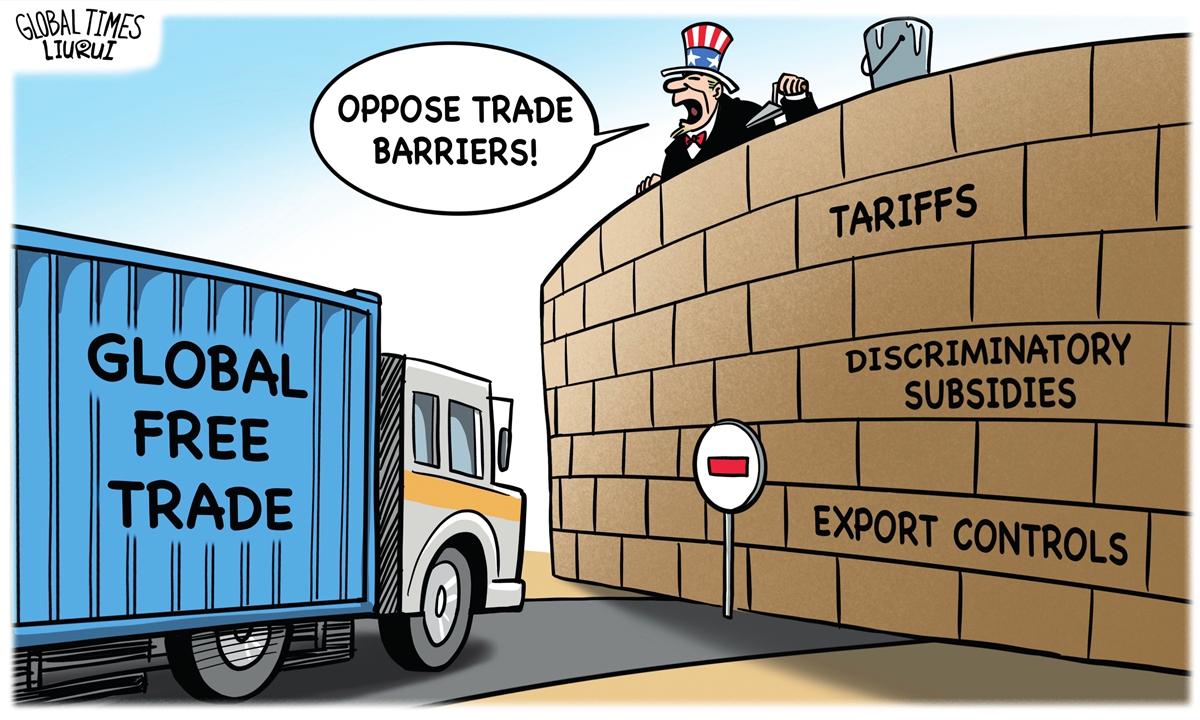

Sanctions explained: how they work, who enforces them, and what they actually achieve
Sanctions are one of the most frequently used — and most misunderstood — tools of modern foreign policy. Governments rely on them to apply pressure without military force, but their effects are often indirect, uneven, and slow.
This explainer sets out what sanctions are, how they are enforced, who they target, and what evidence shows about their effectiveness.
What are sanctions?
Sanctions are restrictions imposed by governments or international bodies to influence the behaviour of states, organisations, or individuals.
They are typically used to:
-
Deter aggression or human rights abuses
-
Enforce international law
-
Signal political condemnation
-
Increase the economic or political cost of specific actions
Sanctions do not operate automatically. Their impact depends on scope, enforcement, coordination, and economic context.
Who imposes sanctions?
Sanctions are imposed by:
-
Individual countries
-
Groups of countries
-
International organisations
Common sanctioning authorities include:
-
National governments
-
Regional blocs
-
Multilateral institutions
Coordination matters. Sanctions imposed by a single country are usually less effective than those applied collectively.
Types of sanctions
Sanctions come in several forms, often used together.
Economic sanctions
Restrictions on trade, investment, or financial transactions. These may target:
-
Specific sectors (energy, finance, defence)
-
Key exports or imports
-
Access to international financial systems
Financial sanctions
Measures that limit access to banking, credit, and payment systems. These can include:
-
Asset freezes
-
Restrictions on currency transactions
-
Limits on sovereign debt issuance
Individual sanctions
Targeted measures against named individuals or entities, such as:
-
Travel bans
-
Asset freezes
-
Prohibitions on doing business
These are often described as “targeted” or “smart” sanctions.
Diplomatic sanctions
Actions such as:
-
Expelling diplomats
-
Suspending cooperation agreements
-
Restricting participation in international forums
How sanctions are enforced
Sanctions are enforced through domestic law, not automatically at the international level.
Governments typically require:
-
Banks to block transactions
-
Companies to halt trade or services
-
Individuals to comply with travel or asset restrictions
Enforcement relies heavily on:
-
Financial institutions
-
Customs authorities
-
Corporate compliance systems
Weak enforcement can significantly reduce impact.
How sanctions affect economies
Sanctions rarely operate in a straight line. Effects often include:
-
Reduced trade and investment
-
Currency pressure
-
Higher borrowing costs
-
Supply shortages in targeted sectors
However, economic pain does not always translate into political change. Outcomes depend on:
-
Economic resilience
-
Access to alternative markets
-
Domestic political control
-
Public tolerance for hardship
Do sanctions work?
Evidence is mixed.
Sanctions are more likely to succeed when:
-
Objectives are narrow and clearly defined
-
Measures are coordinated internationally
-
Enforcement is credible
-
Off-ramps are clearly communicated
They are less effective when:
-
Goals are broad or ambiguous
-
Enforcement is inconsistent
-
Targeted governments can shift costs onto the population
-
Alternative trading partners are available
Sanctions are often better at constraining behaviour than forcing immediate change.
Unintended consequences
Sanctions can produce outcomes not originally intended, including:
-
Humanitarian impacts on civilian populations
-
Strengthening of black markets
-
Increased domestic repression
-
Acceleration of alternative financial systems
These effects are increasingly debated by policymakers and analysts.
Sanctions and global power shifts
As sanctions become more common, targeted states often seek to:
-
Reduce reliance on dominant currencies
-
Build parallel payment systems
-
Increase regional trade
-
Strengthen political alliances
Over time, this can reshape global economic and financial structures.
What to watch next
When sanctions are announced or expanded, key questions include:
-
Who exactly is targeted?
-
How broad is international coordination?
-
What enforcement mechanisms exist?
-
What conditions are attached to removal?
-
How exposed are global supply chains?
Initial announcements matter less than implementation and follow-through.
Why this explainer matters
Sanctions sit at the intersection of diplomacy, economics, and power. They are widely used, politically popular, and often misunderstood. Understanding how they function — and their limits — helps clarify what they can realistically achieve.
This page will be updated as enforcement practices, coordination mechanisms, and global financial systems evolve.
Sources
Government sanctions regulations, financial compliance guidance, international trade data, academic research, and policy analysis.
